Student Resources Menu

Welcome to your new open mic! FREE FOR ALL ACTIVE STUDENTS! :)
This class is designed for singers of any level to get those performance reps in! Perform a song or two of your choice, get constructive feedback from Olivia, learn from other community members, and gain confidence.
This is a safe place to perform, learn, and have a good time!
Prepare a song or two to perform
Singing isn’t required! Sitting in is okay too.
Open mic is held via Google Meet (User friendly and easy to join!)
Prepare a song up to 5-6 minutes
Open mics are not recorded
Check out these tips to have the best possible online experience!

Singing Basics Class (Replay)


Singing Warm- Up Library
VOWELS
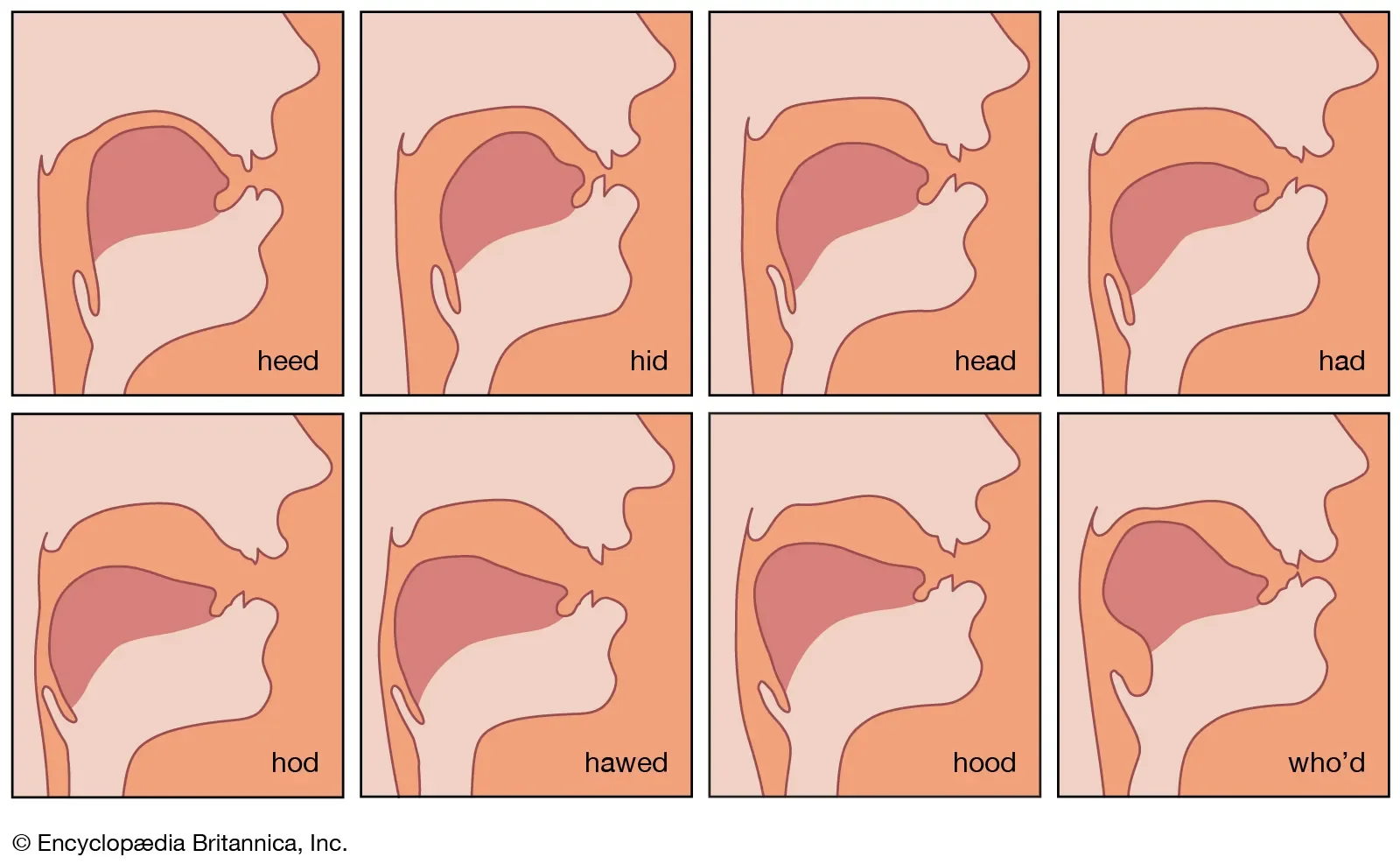
Defining Vowels
“Vowels traditionally have been specified in terms of the position of the highest point of the tongue and the position of the lips. Figure 2 shows these positions for eight different vowels. The highest point of the tongue is in the front of the mouth for the vowels in heed, hid, head, and had. Accordingly, these vowels are classified as front vowels, whereas the vowels in hod, hawed, hood, and who’d are classified as back vowels. The tongue is highest in the vowels in heed and who’d, which are therefore called high, or close, vowels, and lowest in the vowels in had and hod, which are called low, or open, vowels. The height of the tongue for the vowels in the other words is between these two extremes, and they are therefore called midvowels. Lip positions may be described as being rounded, as in who’d, or unrounded or spread, as in heed.” Read the full article here:https://www.britannica.com/science/phonetics/Vowels
Using Vowels to Help our Singing
We can use vowels to our advantage to create the sound we want. For instance, think about that “Meow” exercise I love so much. In that exercise we leverage the buzzy m, and “ee” to bring our voice forward, finding a nice sweet spot when we land on the “ow” which is a little more in the middle - it’s more open, but not trapped too far back. Perfect for mixed belt or just accessing your upper register. The whole movement of the vowels in a meow allow us to free our tongue and jaw and place our voice into that “whiny” space we need to access our upper register.
Vowel Workouts
I talk about vowels in many videos, but the I’ll highlight this one here to jump start your vowel workout! If you are still curious, my video on vocal timbre is another one and it goes a little deeper.
Why I’m Calling Them Workouts
I want to highlight something important. The exercises below are more workouts than warm-ups in my opinion. Like warm-ups, the aim is to create muscle memory through repetition. Here’s where it’s different: warm-ups like the “meow” help us find our placement, but in these exercises, we are aiming to land on the vowel in the right placement already. Because of this, these workouts might cause strain if you’re still searching for the placement. They are more of a test or your vocal flexibility, agility, and vocal exploration. If you feel strain, be sure to rest and make note of the pitch or vowel you are exploring. Pause and try the exercise in slow motion or come back to it later. ( And you know I’m happy to help you in your lessons with your vowels!)
Exploring The Vowel Spectrum
Below we will try two styles of vowels: contemporary vs classical. Both styles require us to modify as we get higher, but the baseline is different. Contemporary vowels are closer to speech and classical vowels are more open. The soft palate is more lifted and the larynx is slightly lowered in classical vowels. Being able to create both sounds will give you more vocal flexibility and help you find new sounds!
Okay… you ready? Let’s try some vowels!
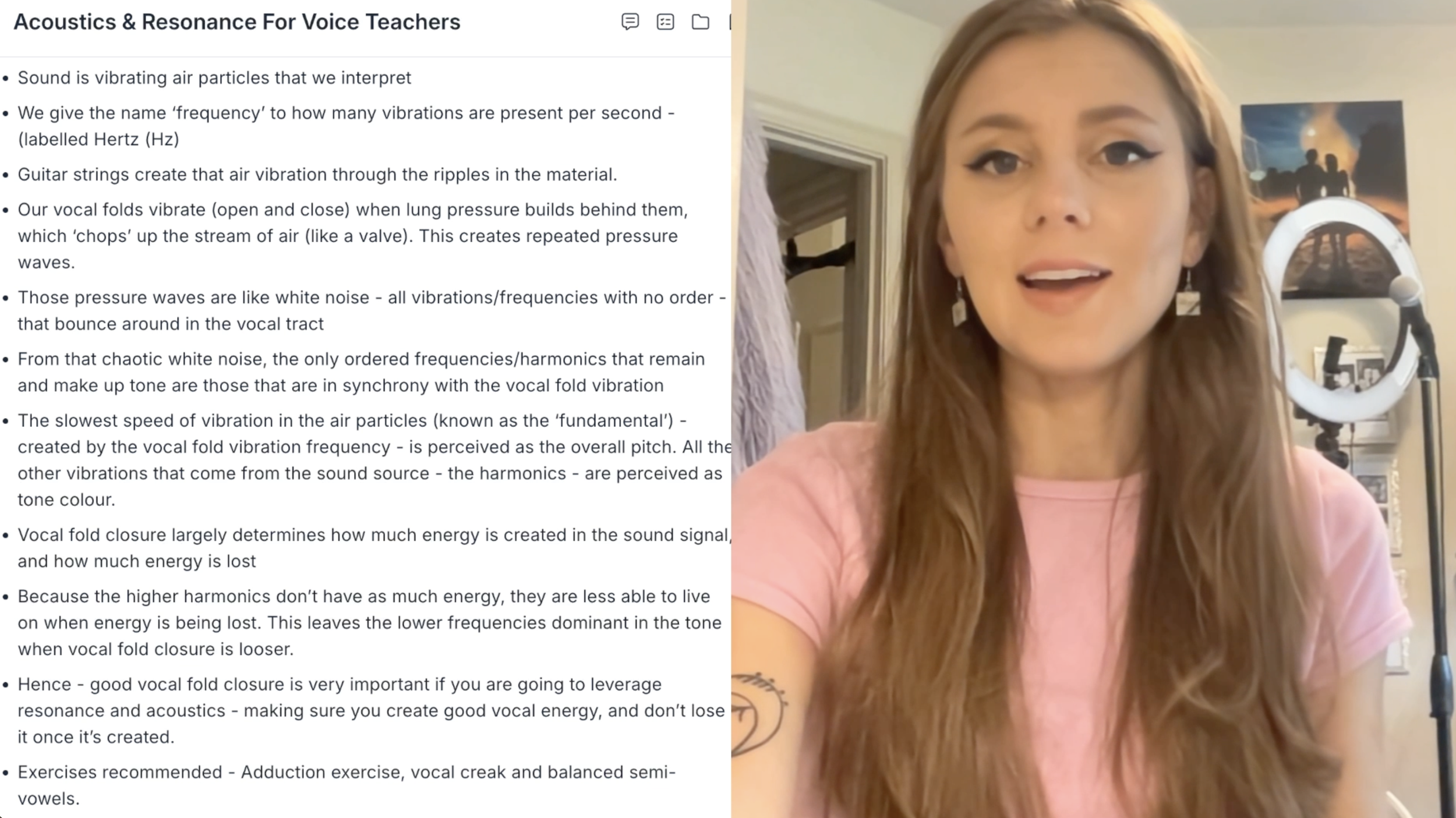
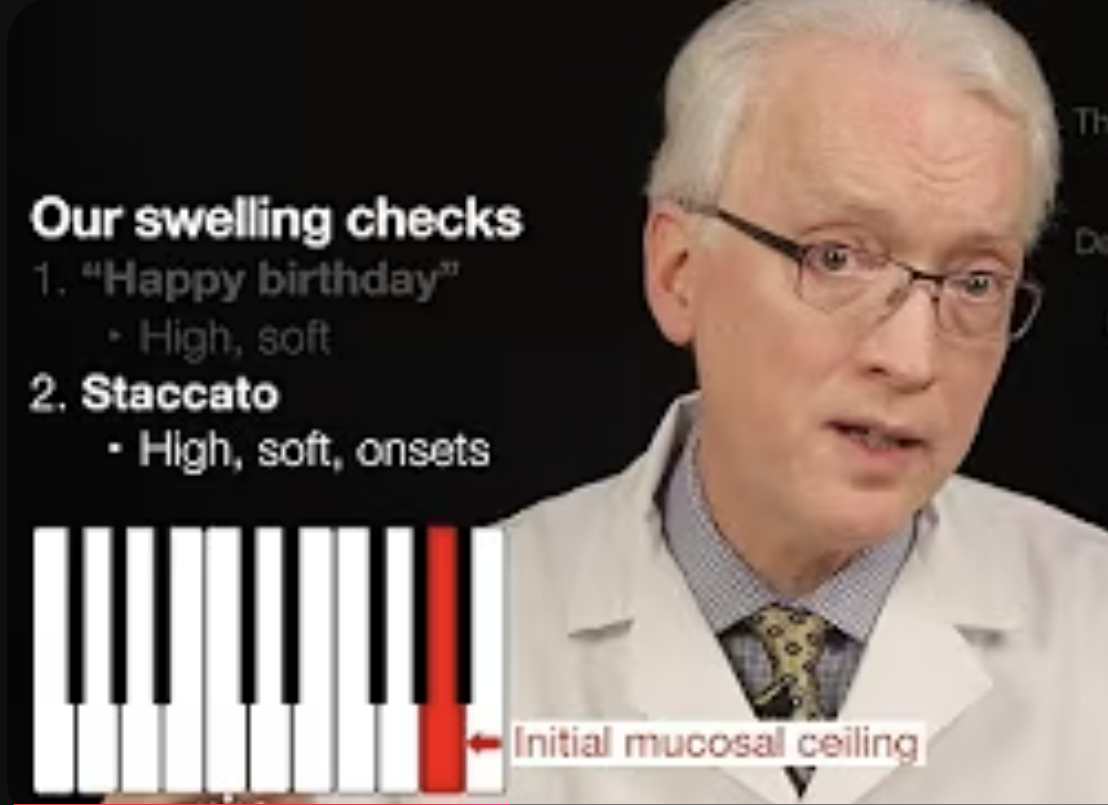
My YouTube Links
Music, Lyrics, and Backing Tracks
-
![]()
Ultimate Guitar - Lyrics, chords, and more
-
![]()
Music Notes - Sheet music and backing tracks
-
![]()
Guitar Tuna - Tune your guitar, find lyrics and chords
-
![]()
Moises - Create backing tracks, change the key and more!
Workshops & Webinars
-
![]()
Jaw Release Workshop with Jeremy
-
![]()
Musical Theater: What Casting Looks For

Voice Science Resources
-
![]()
Voice Science Works
-
![]()
NeuroVocal Method - Singing and The Brain
-
![]()
John Henny's Intelligent Vocalist Podcast
-
![]()
Physiology of Singing
-
![]()
Speech Acoustics - Spectograms and More!
-
![]()
-
![]()
Spectrum View App - Free on iPhone & Android



Belting and Mixed Voice
-
![]()
Required listening! All 24 minutes are GOLD.
-
![]()
All of my Mixed Voice Videos
-
![]()
Matt Edwards on "The Common Misconceptions about Belting"
-
![]()
Emily Kristen Morris breaks down mixing and belting
-
![]()
Toni Linke's take on the mix
DIY Recording
-
![]()
Learn With Jammin' Sam on FL Studio
-
![]()
Produce Like a Pro on YT
-
![]()
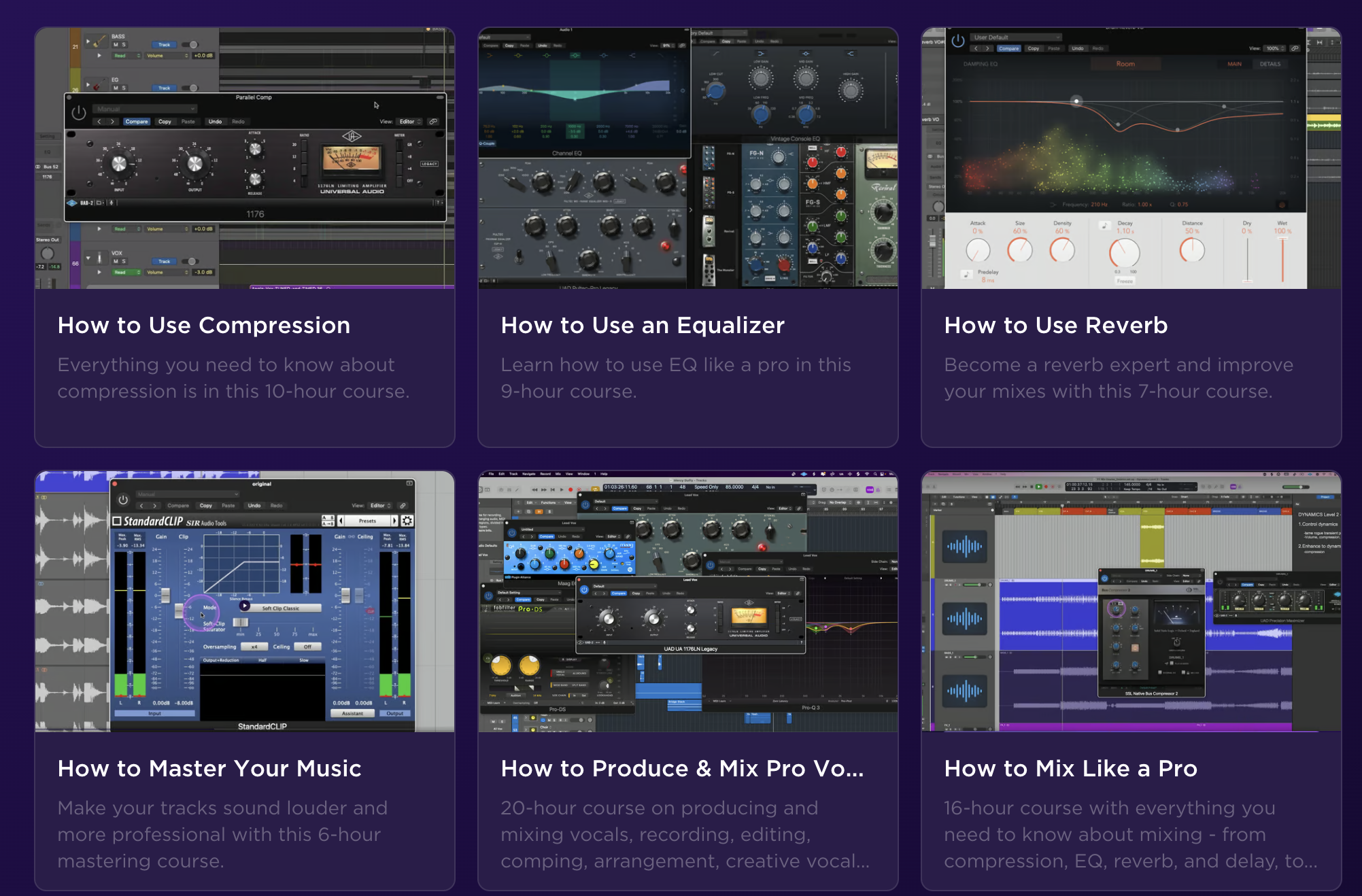
Free Courses on Mastering.Com

Acting Classes
Learn the Chubbuck Technique with Certified Acting Coach Patricia Lacoste Guevara
“The Power of The Actor” book by Ivana Chubbuck was my introduction to acting and it changed my life as a performer! I’ve worked through this technique in classes and Patricia is the only Chubbuck accredited teacher in Louisiana and surrounding states who holds this title. I have worked with Patricia on set and collaborate with her locally as a fellow teacher.
For those who aren’t local - have no fear! Online classes are available including 1:1 coaching.